

Established Therapy. Indication-Specific Evidence.
NB-UVB plays a distinct role across psoriasis, vitiligo, atopic dermatitis, and cutaneous T-cell lymphoma (CTCL). Review the evidence supporting its use in each condition.
When can my vitiligo patient expect to see repigmentation using phototherapy?
Phototherapy (NB-UVB) is a proven first-line treatment option for widespread vitiligo, supported by the Vitiligo Working Group (VWG) recommendations and international guidelines.¹,²
A meta-analysis of 35 studies investigating NB-UVB in 1,428 patients with vitiligo demonstrated:
- 74.2% mild responses (≥25% repigmentation) at 6 months3
- 35.7% marked responses (≥75% repigmentation) at 12 months3
- The greatest anatomical response was observed on the face and neck (44% achieving marked repigmentation after at least 6 months of NB-UVB)3
Treatment Response by Duration and Body Site
Phototherapy Duration
Share of patients reaching each repigmentation threshold, by treatment type and duration.
Body Site
Share of patients reaching each repigmentation threshold, by treated body site.
Up to 3X more Effective.
A meta-analysis of 46 studies (1,499 patients) showed that combining phototherapy with a topical calcineurin inhibitor (TCI) was more effective than topical monotherapy alone (≥75% repigmentation in 47.5% vs 18.1%) and was especially effective for facial/neck repigmentation (55.2% achieved ≥75% facial/neck repigmentation)4
What kind of results can I expect my psoriasis patient see with phototherapy?
NB-UVB is American Academy of Dermatology–National Psoriasis Foundation recognized treatment option for plaque psoriasis, supported by clinical evidence and established treatment guidelines.5,6
~75% achieved clear or minimal disease
after a single 16-week treatment course of NB-UVB.5
NB-UVB reduced reliance on topical PsO therapies
with ~24% fewer patients requiring steroid creams and ~31% fewer requiring psoriasis-specific topicals within 12 months after treatment5
What are the clinical trials for phototherapy and atopic dermitits?
NB-UVB provides a non-systemic treatment option for moderate-to-severe atopic dermatitis, including pediatric patients.7
Reduced topical corticosteroid use
from 70% of AD patients over the subsequent year, while nearly half achieved clear or almost-clear disease. reported in a pediatric study, with benefit maintained at 6 months.7
68% achieved near-complete clearance
in pediatric AD patients following NB-UVB phototherapy.8
How can phototherapy impact CTCL?
NB-UVB is listed as a skin-directed therapy for early-stage disease in the NCCN Primary Cutaneous Lymphomas guideline. Specialist context only.9,10
~54% complete response
reported in patients with early-stage disease.10
See the Evidence of Phototherapy
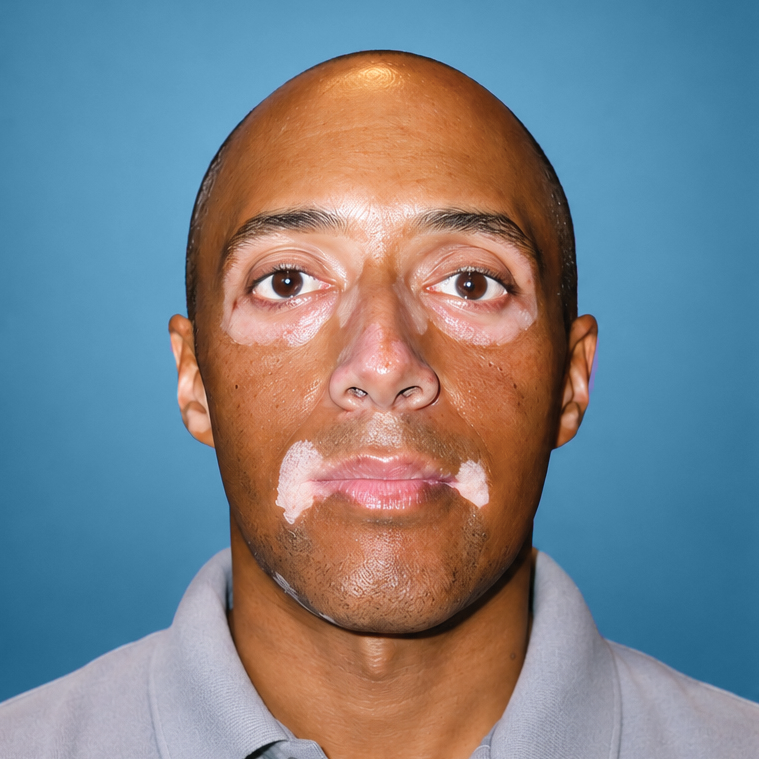





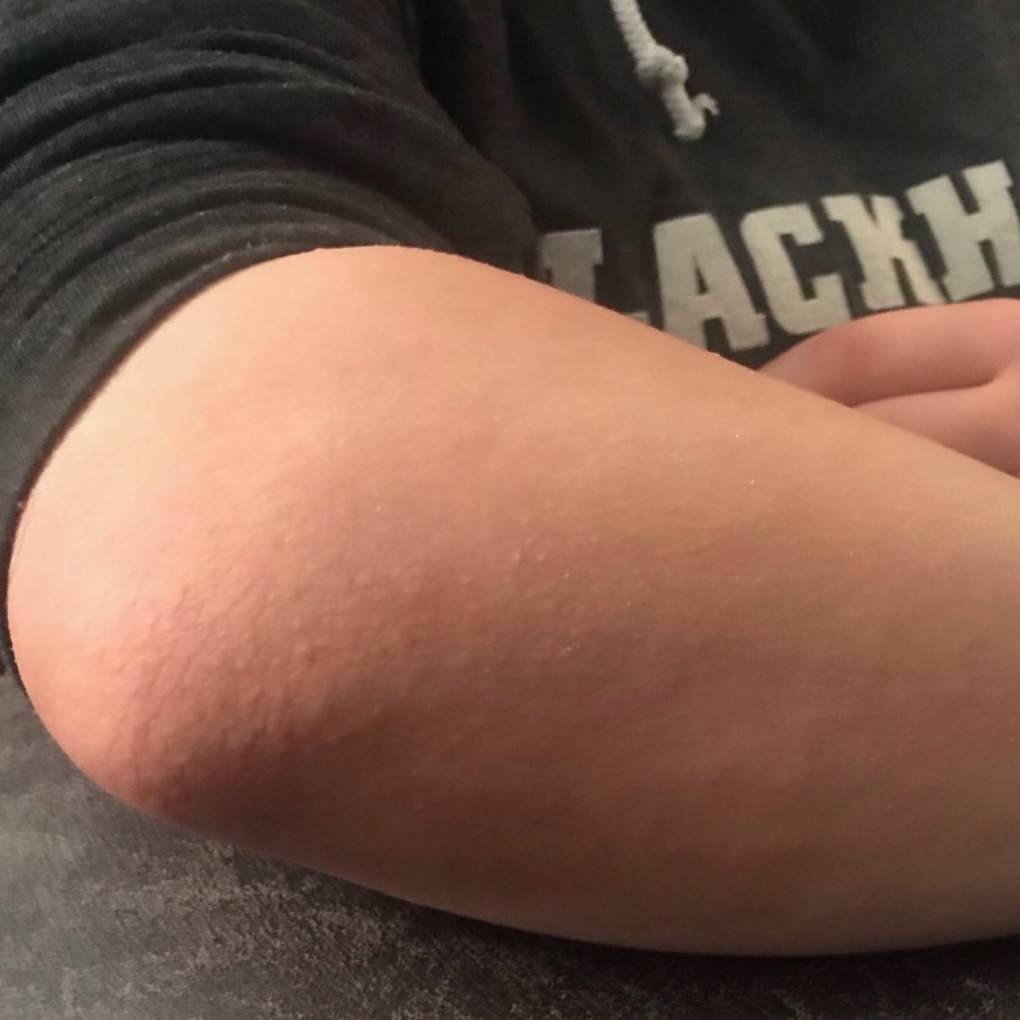
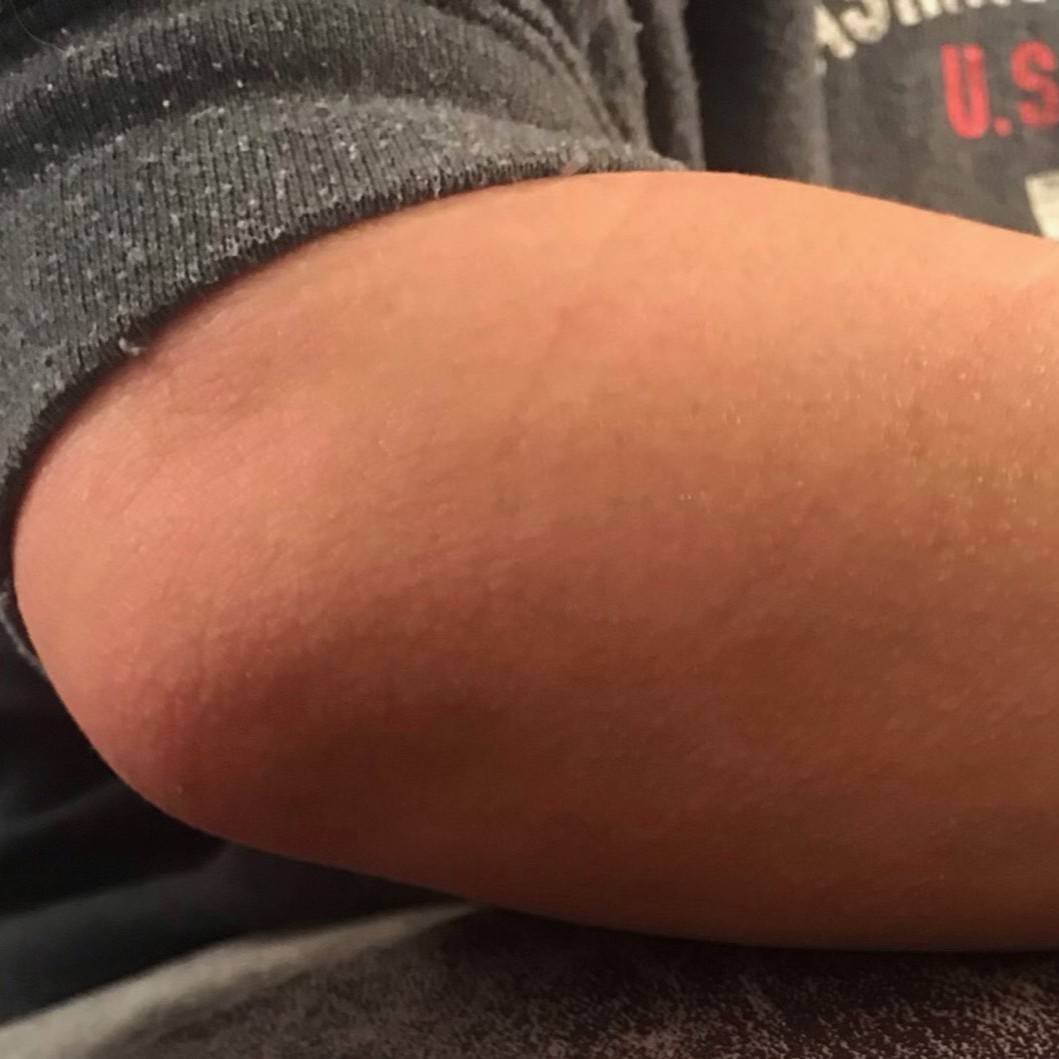


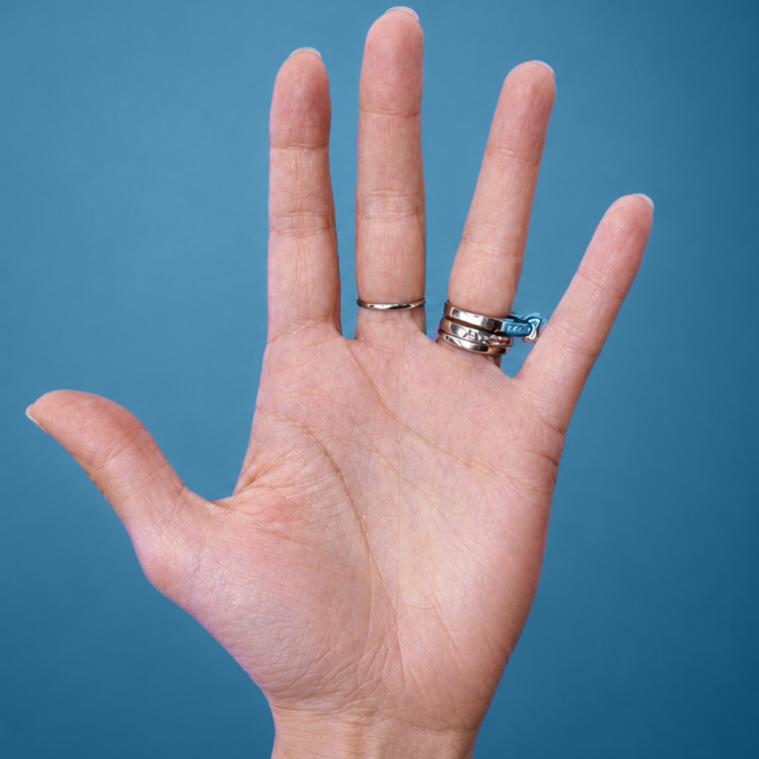
Real patients using Phothera phototherapy devices. Individual results may vary.
Important safety note: a patient may experience mild, transient erythema during the course of treatment. Erythema can result in as little as 15 seconds of exposure, or approximately 200 millijoules of dose. Patients should stop treatment until the reddening resolves and communicate with their prescriber.
Speak with our team to begin prescribing today.
REFERENCES
- Mohammad TF, et al. J Am Acad Dermatol. 2017;76(5):879–888. doi:10.1016/j.jaad.2016.12.041.
- Seneschal J, et al. J Eur Acad Dermatol Venereol. 2023;37(11):2185–2195. doi:10.1111/jdv.19450.
- Bae JM, Jung HM, Hong BY, et al. Phototherapy for vitiligo: a systematic review and meta-analysis. JAMA Dermatol. 2017;153(7):666-674.
- Lee JH, Kwon HS, Jung HM, et al. Combination therapy with phototherapy for vitiligo: a systematic review and meta-analysis. JAMA Dermatol. 2019;155(8):929-938.
- Foerster J, et al. Narrowband UVB treatment is highly effective and causes a strong reduction in the use of steroid and other creams in psoriasis patients in clinical practice. PLoS One. 2017;12(8):e0181813
- Elmets CA, Lim HW, Stoff B, et al. Joint American Academy of Dermatology–National Psoriasis Foundation guidelines of care for the management and treatment of psoriasis with phototherapy. J Am Acad Dermatol. 2019;81(3):775-804.
- Choi JY, et al. Clinical characteristics and disease burden in prurigo nodularis. Clin Exp Dermatol. 2021;46:1067-1074
- Jury CS et al., Narrowband ultraviolet B (UVB) phototherapy in children. Clin Exp Dermatol. 2006.
- National Comprehensive Cancer Network. NCCN Clinical Practice Guidelines in Oncology: Primary Cutaneous Lymphomas.
- Gathers RC, Scherschun L, Malick F, Fivenson DP, Lim HW. Narrowband UVB phototherapy for early-stage mycosis fungoides. J Am Acad Dermatol. 2002;47(2):191-197.